The main characteristic of high-quality preschool education is a comprehensive, meaningful, and age-appropriate play-based approach. Through play, children naturally explore the world, learn to think, communicate, and discover their individual strengths. This holistic approach is clearly reflected in the theory of multiple intelligences developed by Harvard University professor Howard Gardner, which serves as a guiding principle for our kindergarten’s educational practice.
Based on well-defined and scientifically grounded criteria, Gardner identified several types of intelligence that begin to emerge already in early childhood:
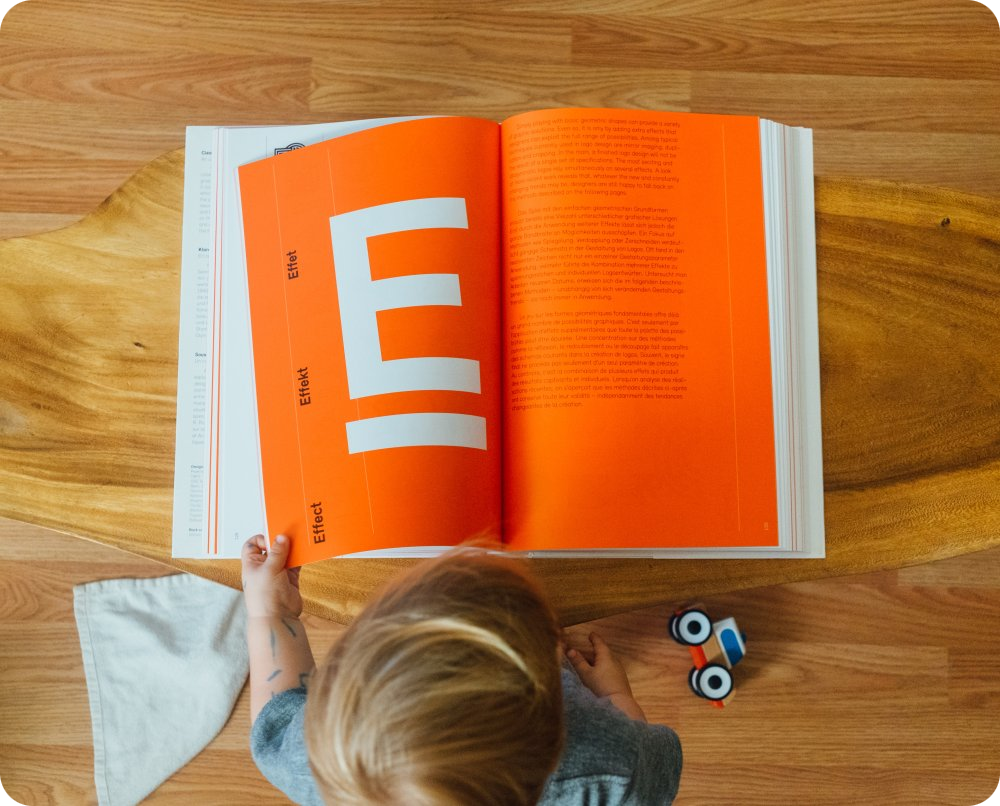
Linguistic intelligence refers to the ability to use one’s native or a foreign language effectively in order to express thoughts, think, and understand others. Children with strong linguistic intelligence enjoy telling and listening to stories, exploring books, creating narratives, playing word games, and easily memorising new information. This ability is particularly evident in poets, writers, orators, journalists, and advertising professionals. The special emphasis placed on linguistic intelligence in our kindergarten is reflected in our bilingual education approach.
Musical intelligence refers to sensitivity to sounds, rhythm, and melody, as well as the need to hear music and the ability to recognise, remember, and interpret it. Children with strong musical intelligence enjoy singing, keeping rhythm, and listening to music; they are also particularly attentive to sounds that others may not notice. Well-developed musical intelligence is characteristic of musicians, sound engineers, speech therapists, and language specialists. Scientific research shows that early musical education has a positive impact on the development of other areas of intelligence. Therefore, at Tindi Rindi Kindergarten, music and music-making are an integral part of everyday life, supported by teachers with extensive experience in early childhood music education.
Logical-mathematical intelligence is the ability to think logically, recognise cause-and-effect relationships, work with numbers, classify, analyse, and solve problems. Children with this type of intelligence enjoy puzzles, strategic games, experiments, and exploring patterns, categories, and relationships. Logical-mathematical intelligence is particularly important in fields such as science, programming, architecture, and medicine. At our kindergarten, this intelligence is developed not only through mathematical tasks and educational games, but also through hands-on, experiential mathematics projects that are engaging and meaningful for children.
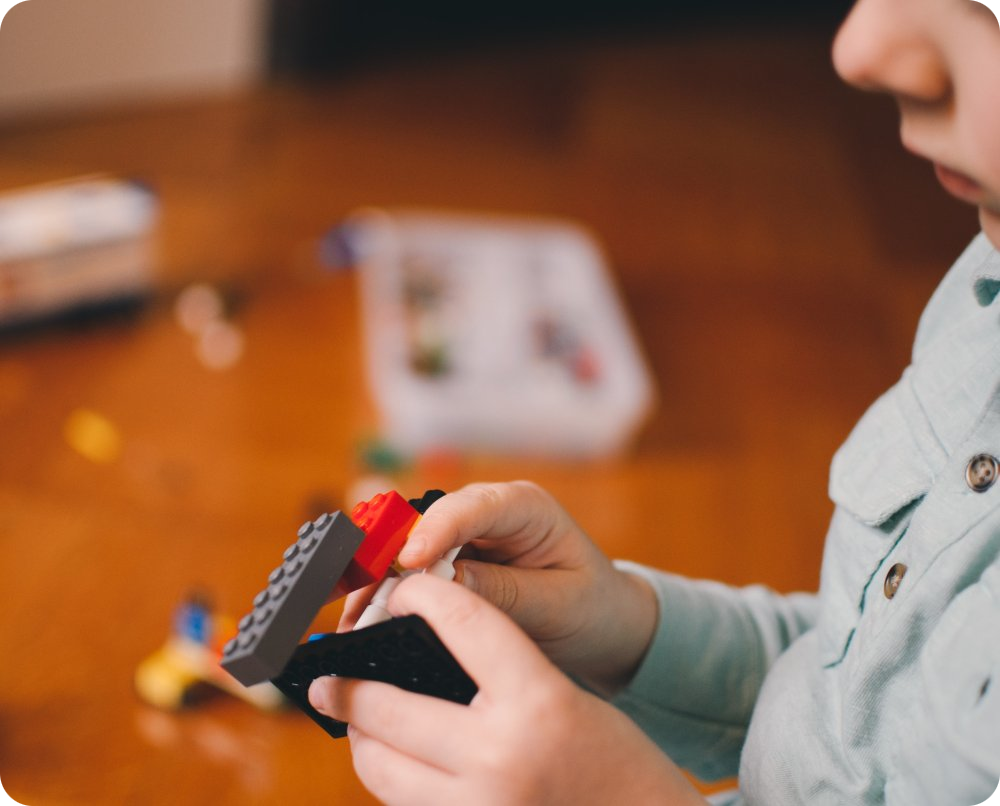
Visual-spatial intelligence is the ability to think in images, visualise objects, orient oneself in space, and create spatial forms. Children with strong spatial intelligence enjoy drawing, constructing, doing puzzles, building models, and exploring mazes and shapes. This type of intelligence is particularly important for engineers, architects, athletes, and artists. Because these abilities benefit from early development, Tindi Rindi Kindergarten actively fosters spatial intelligence through puzzles, origami, art activities, movement-based games, and other playful, hands-on experiences.
Bodily-kinesthetic intelligence refers to the ability to sense, control, and coordinate one’s body effectively. This type of intelligence is especially evident in athletes, actors, dancers, and surgeons. Children with strong kinesthetic intelligence enjoy physical activity, sports and movement games, hands-on crafts, and tasks that require fine and gross motor coordination. At our kindergarten, daily physical activities, active play, and time spent outdoors support the focused development of kinesthetic intelligence while also promoting children’s physical health and well-being.
Intrapersonal intelligence is a core component of emotional intelligence and refers to the ability to understand oneself—one’s strengths and weaknesses, emotions, limits, and potential. These abilities often form the foundation of the work of actors, writers, and artists. Children with well-developed intrapersonal intelligence are able to recognise and express their emotions, understand their needs, and be aware of their individual characteristics. Creating a supportive environment in which each child’s personality can unfold and grow is one of the key educational priorities at our kindergarten.
Interpersonal (social) intelligence is another component of emotional intelligence and refers to the ability to understand others, recognise emotions, and communicate with sensitivity. Individuals with strong interpersonal intelligence are often empathetic, communicative, able to cooperate effectively, and capable of taking on leadership roles. This type of intelligence is particularly important in professions such as teaching, therapy, diplomacy, politics, and social work. At Tindi Rindi Kindergarten, children practise communication, cooperation, conflict resolution, and tolerance on a daily basis through shared activities and social interaction.
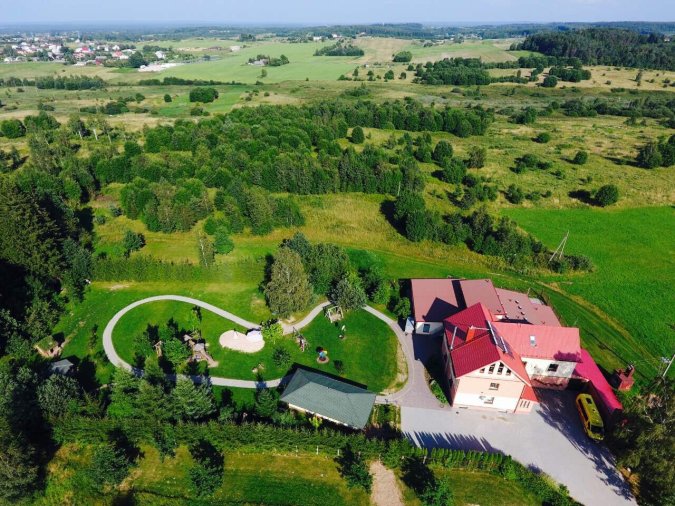
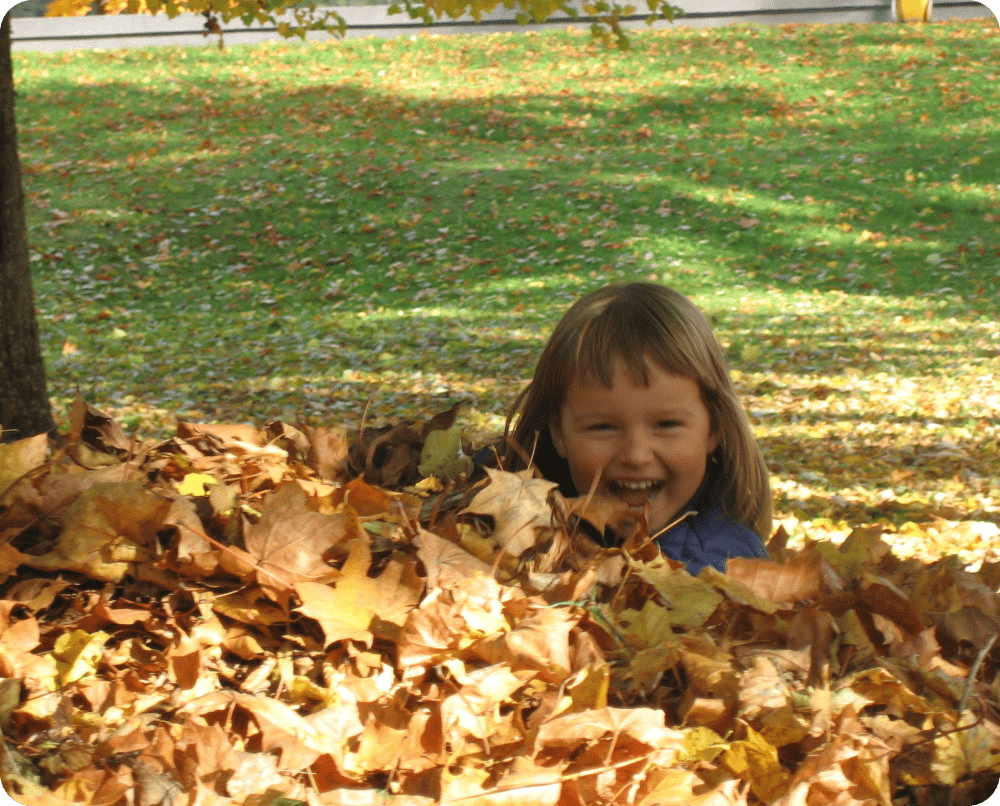
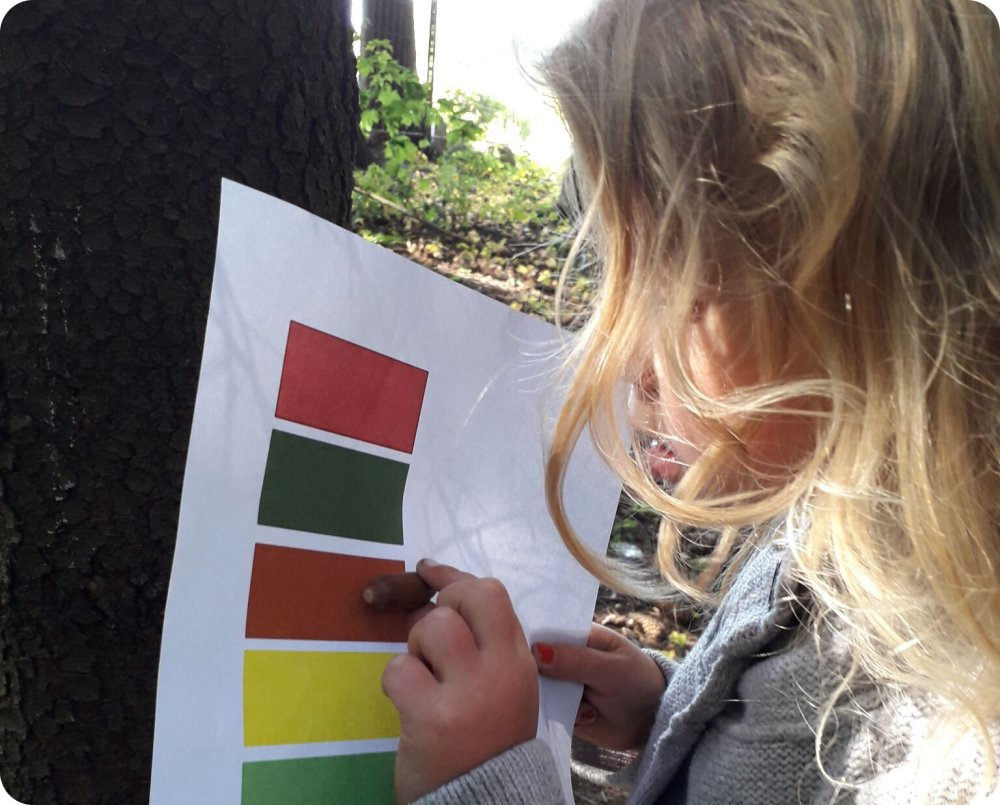
Naturalistic intelligence refers to a sensitive relationship with nature, the ability to observe, recognise, and understand natural phenomena, as well as a respectful and sustainable attitude towards the environment. Foresters, biologists, botanists, veterinarians, and environmental specialists typically demonstrate strong naturalistic intelligence. The forest, meadows, and natural surroundings of our kindergarten provide especially favourable conditions for nurturing this type of intelligence through everyday experiences, exploration, and time spent in nature.
At Tindi Rindi Kindergarten, the educational process is designed to foster the balanced development of all intelligences identified by Howard Gardner, while respecting each child’s individual abilities, needs, and pace of development.